

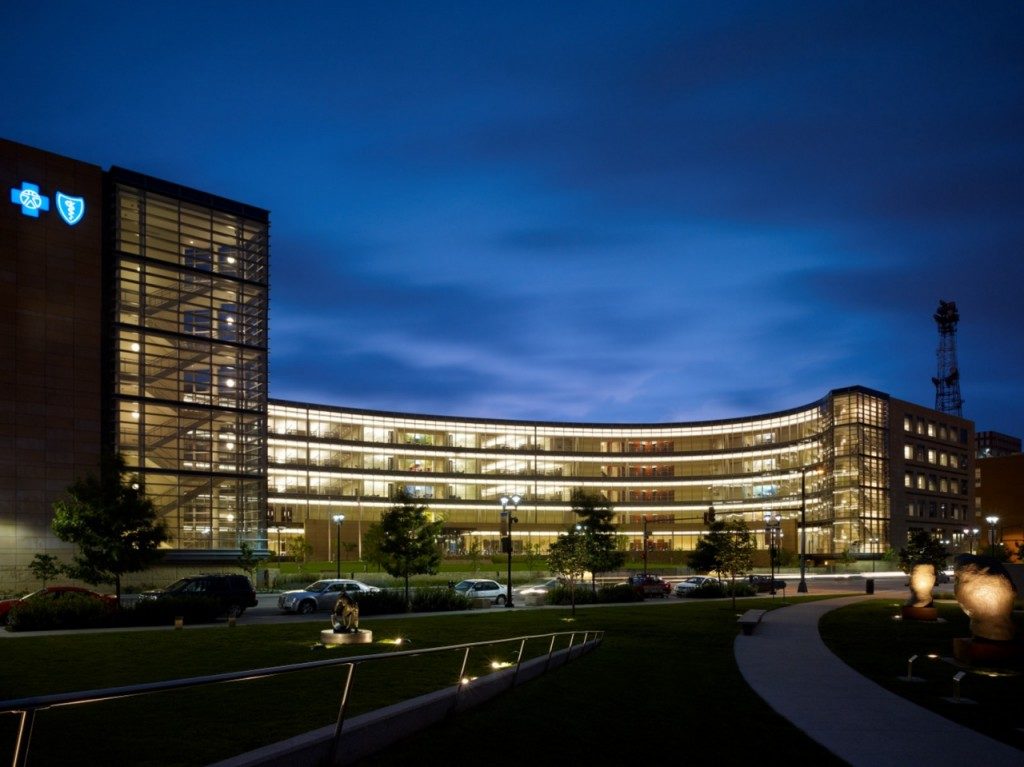
Zero-energy buildings to save the Planet
Act quickly and decisively. The message from the COP21, the conference on climate change held in Paris, is clear: to reverse the trend of global warming we need extensive and structural solutions that can lead to a drastic reduction of fossil fuel energy consumption.
An important contribution can come from the residential sector. According to a report by Enea and the Mattei Foundation, the emissions into the atmosphere from buildings could be reduced by 95%, with savings for 15 millions of tons of oil equivalent by 2030 and 30 million tons annually by 2050.
It is the so-called Deep Renovation of buildings in which power systems and lighting, in particular, play a key role. With the new low-energy lighting sources, one can cut lighting consumption down to 80%, with a reduction of 30% of the building’s entire electricity consumption. Very important figures if we think at a greater scale and of all public and commercial buildings in our cities.
This is the approach taken by major public works that aim to favour the energy renovation of buildings. In Italy, for example, the so-called eco-bonus for the energy and seismic renovation of buildings has been extended to 31 December 2016. The replacement of a traditional lighting system with a LED system is part of energy renovation works.
Another financial support also comes from the incentives connected with the so-called Energy Savings Certificates (ESC), or white certificates that certify the energy savings obtained with energy efficiency works. This mechanism could also apply to the works carried out by ESCOs (Energy Saving Companies) which invest in energy renovation works, collect the related white certificates and can recover their investment costs through the savings on the bill.
Thanks to the COP21 in Paris, the energy renovation of buildings is now a priority.
- Posted by Redazione
- On May 12, 2016
- 0 Comments
- 0 likes

Leave Reply